
Chinigura Polao Rice Harvesting: From the Field to Your Table
Why Chinigura is harvested late, dried slowly and milled lightly, and what that does to the smell of your polao.
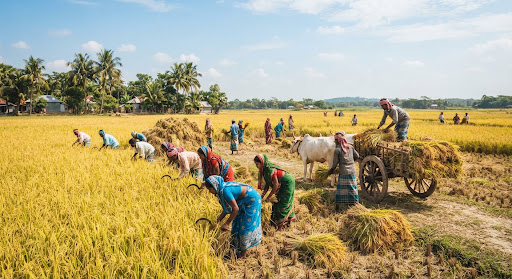
Chinigura is a small, slender, aromatic rice grown mostly in the north of Bangladesh. If you have ever opened a sack and smelled it before cooking, you already know why people pay extra for it.
1. Why it is harvested late
Chinigura is an Aman-season rice. It ripens slowly in the cooler weeks of late autumn, and farmers let it stand until the panicles bend and turn golden. Cut too early and the grain stays thin and loses scent.
2. Drying and milling
After cutting, the rice is threshed and dried in the sun. Drying too fast cracks the grain. When it is milled, a light polish is enough. Heavy polishing makes the rice whiter but takes some of the aroma with it.
3. What to look for in the sack
- Grains that are short, thin and even, with very few broken pieces.
- A clear, sweet smell when you cup a handful in your palm.
- No dust and no musty odour.
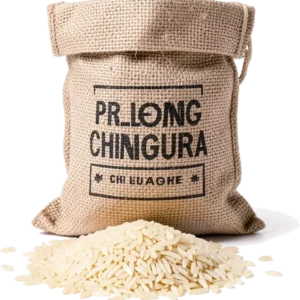
EXAMPLE - Chinigura Rice (Weight in kg)
Premium aromatic rice.
Rinse it gently, soak for 20 minutes and cook it with a little less water than you would use for ordinary rice. The grain is delicate and turns soft quickly.
Discussion & Comments (0)
Be respectful and clearRelated Stories You Might Like
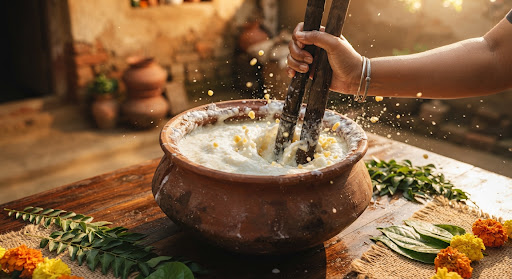
The Traditional Art of Hand-Churned Deshi Bilona Ghee: Why Purity Matters
How bilona ghee is made the slow way, and three simple checks you can try in your own kitchen before you trust…
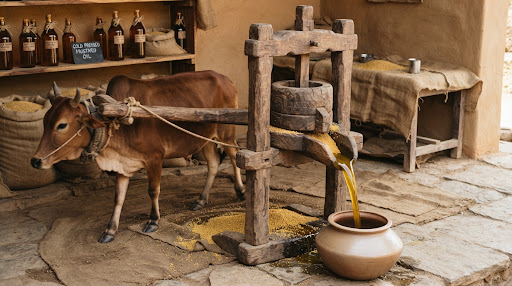
Cold-Pressed Mustard Oil: The Secret to Authentic Deshi Flavour
What gives khati sorishar tel its sharp bite, how to use it in everyday cooking and why the first heating matters.
Seasonal Rajshahi Himsagar: How to Pick a Good Mango
Smell, weight and skin: three quick ways to choose a Himsagar that is ready to eat and not just good to look…

Leave a comment